Carbonated Soft Drink Plant
Carbonated Soft Drink Plant Manufacturer, Supplier & Exporter in India
We are a Carbonated Soft Drink Plant manufacturer, supplier and exporter in India, providing complete beverage processing and bottling solutions for carbonated soft drinks, soda, sparkling beverages and other carbonated drinks. Our plants are designed according to the required production capacity, beverage type, bottle size, automation level and factory layout.
We offer customized Carbonated Soft Drink Plants, OEM solutions, installation, commissioning, AMC and turnkey project execution for beverage manufacturers across India and international markets.
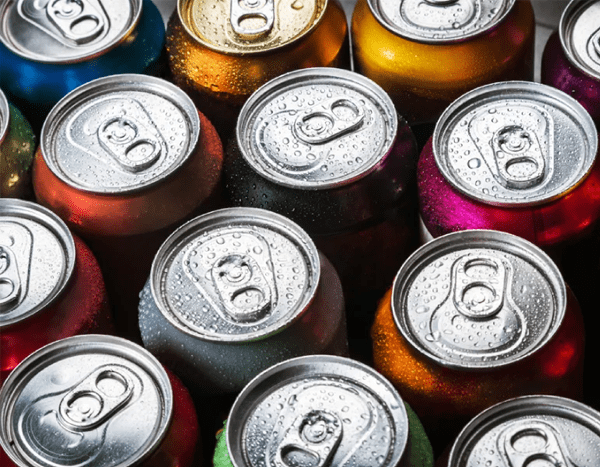
Carbonated Beverage Processing Equipment
A beverage plant is more than a collection of machines. Every section has to work together.
Dada’s Soda manufactures the equipment required to prepare, process, carbonate and bottle carbonated beverages, with the configuration selected according to your production target and packaging requirements.
Our Plant & Equipment Range
- Carbonated Soft Drink Plant – Complete integrated plant solution for producing and bottling carbonated soft drinks.
- Carbonated Beverage Processing System – Equipment for beverage preparation, blending, chilling and carbonation.
- Syrup Preparation System – Syrup preparation and filtration equipment for carbonated beverage production.
- Carbonation System – Carbonation equipment for introducing food-grade CO₂ into prepared beverages.
- Beverage Mixing & Storage Tanks – Food-grade tanks for beverage preparation, mixing and controlled storage.
- Water Treatment System – Water treatment equipment for preparing process water required for beverage production.
- Carbonated Beverage Filling Machine – Filling equipment for bottling carbonated beverages into PET or glass bottles.
- Bottle Rinsing System – Bottle rinsing equipment for preparing containers before filling.
- Capping Machine – Capping equipment for closing filled bottles.
- Labeling Machine – Automatic or semi-automatic bottle labeling solutions.
- Batch Coding System – Coding equipment for printing batch and production information.
- Bottle Packaging System – Shrink wrapping and secondary packaging solutions for finished bottles.
Technical Specifications
| Parameter | Specification |
|---|---|
| Plant Type | Semi Automatic / Fully Automatic |
| Production Capacity | 10 BPM to 120 BPM (customizable) |
| Bottle Type Supported | PET Bottles / Glass Bottles |
| Filling Type | Carbonated Beverage Filling |
| Material of Construction | Food Grade Stainless Steel |
| Automation Grade | Semi Automatic / PLC Controlled Automatic |
| Power Consumption | Depends on plant capacity |
| Filling Accuracy | High Precision Filling System |
| Bottle Sizes Supported | 200 ml to 2 Liters |
| Carbonation System | Integrated CO₂ Mixing System |
| Conveyor System | Automatic Bottle Transfer Conveyor |
| Bottle Washing System | Automatic / Semi Automatic Bottle Rinsing |
| Capping System | Automatic Leak-Proof Capping |
| Operating Voltage | 220V / 440V |
| Frequency | 50 Hz |
| Air Compressor Requirement | Required for pneumatic operations |
| Chilling System | Integrated Beverage Chilling Support |
| Control Panel | PLC Based Control Panel |
| Machine Structure | Heavy Duty Industrial Design |
| Maintenance Requirement | Low Maintenance |
| Installation Support | Available |
| Application | Soda, Soft Drinks, Carbonated Beverages |
| Customization | Available as per production requirement |
Customized Carbonated Soft Drink Plant Solutions
How much do you want to produce? What bottle are you using? Which beverage are you making? How automated should the line be?These requirements determine the right Carbonated Soft Drink Plant configuration. Dada’s Soda develops plant solutions around your production capacity, beverage type, bottle size, PET or glass packaging, filling requirements, automation level, factory space and future expansion plans. Whether you need a single machine, want to upgrade an existing production line or are setting up a complete beverage manufacturing facility, we can configure the solution around your project.
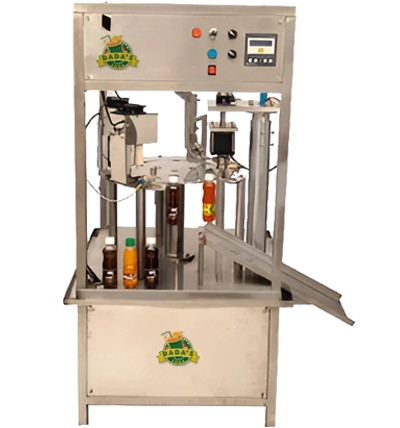
Individual Equipment
Need to upgrade one section of your existing line? We can supply specific equipment such as carbonation, filling, capping or beverage-processing systems.
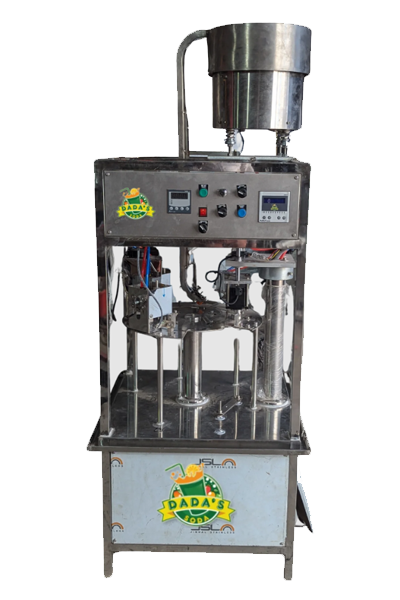
Integrated Production Line
Need multiple machines working together? We can combine beverage processing, carbonation, filling, capping and packaging equipment into an integrated production line.
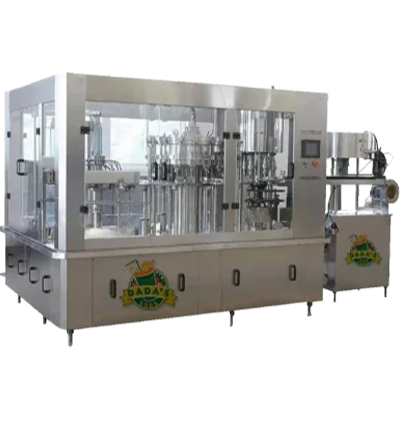
Complete Carbonated Soft Drink Plant
Setting up a new beverage manufacturing unit? We can configure a complete plant according to your required production capacity, bottle format and processing requirements.
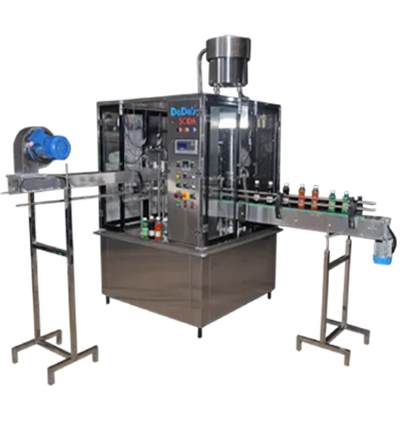
Turnkey Beverage Project
Looking for complete project execution? Dada’s Soda can support the project from plant planning and equipment supply to installation, integration and commissioning.
Why Choose Dada's Soda?
Complete Beverage Plant Solutions
From water treatment and syrup preparation to carbonation, filling and packaging, we can provide an integrated solution according to the project requirement.
Customized Plant Configuration
Every beverage project has different requirements. We configure equipment according to production capacity, bottle format, automation and available space.
OEM Support
Customers can approach us for project-specific OEM machinery and customized plant solutions.
Complete Project Support
Our services extend beyond equipment supply with installation, commissioning and turnkey project execution.
Maintenance Support
AMC and after-sales service options are available to support ongoing plant maintenance requirements.
Applications
One production platform can support a range of carbonated beverage applications.
Carbonated Beverages
- Cola
- Lemon Soft Drinks
- Orange Soft Drinks
- Soda
- Flavoured Soda
- Sparkling Beverages
- Carbonated Water
- Flavoured Carbonated Water
- Carbonated Fruit Beverages
- Other Carbonated Soft Drinks
Suitable For
- Soft Drink Manufacturers
- Soda Manufacturers
- Beverage Companies
- Bottling Companies
- FMCG Beverage Brands
- Private-Label Beverage Producers
- Contract Bottlers
- Beverage Startups
- Existing Beverage Manufacturing Units
- Beverage Exporters
FAQ's
The plant can include water treatment, syrup preparation, beverage mixing, chilling, carbonation, bottle rinsing, filling, capping, labeling, coding and packaging equipment. The exact configuration depends on the project requirement.
Yes. Dada's Soda provides customized plant configurations according to production capacity, beverage type, bottle size, automation level and factory layout.
Production capacity is selected according to the customer's required output. The final capacity and equipment configuration can be discussed based on the required bottles per hour or beverage-processing capacity.
Yes. The plant can be configured for different carbonated beverages such as cola, lemon drinks, orange drinks, soda, sparkling beverages and other carbonated products, subject to the required formulation and equipment configuration.
Yes. The filling and bottle-handling configuration can be selected according to whether the project uses PET bottles, glass bottles or a specific bottle format.
Yes. Automatic and semi-automatic configurations can be considered according to the required production capacity, operating requirements and level of automation.
Yes. Dada's Soda provides OEM solutions for customers requiring customized equipment and plant configurations.
Yes. Installation support is available for the supplied equipment and plant, depending on the project scope.
Yes. Turnkey project execution can include plant planning, equipment supply, installation, integration, testing and commissioning.
Yes. AMC services are available for preventive maintenance, inspection, troubleshooting and other agreed maintenance requirements.
To prepare a suitable plant configuration, customers should provide the required production capacity, beverage type, bottle size, bottle material, automation requirement and factory location. These details help determine the appropriate equipment and plant configuration.
 Users Today : 17
 Users This Month : 1872
 Total Users : 1873