Soda Filling Machine: The Complete Guide for Efficient Beverage Production
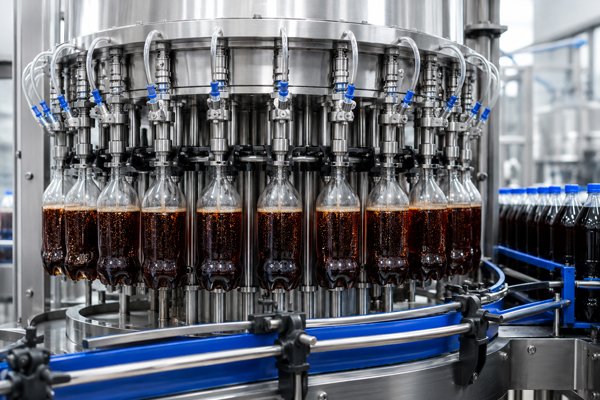
Soda Filling Machine: The Backbone of Modern Beverage Bottling The global demand for carbonated soft drinks, sparkling water, flavored beverages, and soda-based drinks continues to grow rapidly. To meet production demands while maintaining product quality and carbonation levels, beverage manufacturers rely on advanced Soda Filling Machine. A Soda Filling Machine is specially designed to fill carbonated beverages into bottles while preserving carbonation, maintaining hygiene, and ensuring accurate filling volumes. These machines have become an essential part of modern beverage bottling plants, helping manufacturers achieve higher productivity, consistency, and operational efficiency. Whether you are launching a new beverage brand or expanding an existing production facility, selecting the right soda filling machine plays a crucial role in ensuring product quality and business growth. Enquiry Now … What is a Soda Filling Machine? A Soda Filling Machine is an automated or semi-automated system used to fill carbonated beverages into bottles or containers under controlled pressure conditions. Unlike conventional liquid filling systems, soda filling machines are specifically engineered to handle carbon dioxide (CO₂) infused beverages. The machine minimizes carbonation loss during filling and ensures every bottle contains the correct amount of product. These machines are commonly used for: Carbonated soft drinks Sparkling water Soda beverages Energy drinks Flavored fizzy drinks Carbonated fruit beverages Why Are Specialized Soda Filling Machines Necessary? Carbonated beverages contain dissolved carbon dioxide gas that creates the fizz consumers expect. During filling, improper handling can cause: Excessive foaming Carbonation loss Inconsistent fill levels Product wastage Reduced shelf life A dedicated soda filling machine addresses these challenges by filling bottles under controlled pressure and maintaining product integrity throughout the process. How Does a Soda Filling Machine Work? Bottle Feeding Empty bottles are automatically transferred onto the conveyor system and guided into the filling section. Bottle Rinsing Many modern systems include an integrated rinsing unit that cleans bottles before filling. Pressurized Filling Process The machine equalizes pressure between the beverage tank and bottle before filling begins. This process helps preserve carbonation and reduces foaming. Accurate Product Filling Advanced filling valves ensure precise filling volumes in every bottle. Capping Operation Immediately after filling, bottles move to the capping station where airtight caps are applied. Labeling and Packaging Filled bottles are labeled, packed, and prepared for distribution. Key Components of a Soda Filling Machine Filling Valve System Designed specifically for carbonated liquids to minimize gas loss. Stainless Steel Construction Ensures hygiene, corrosion resistance, and compliance with food industry standards. Pressure Control System Maintains stable pressure during the filling process. Conveyor System Provides smooth movement of bottles throughout production. Automatic Control Panel Allows operators to monitor and control production parameters. Capping Unit Ensures secure bottle sealing for extended shelf life. Benefits of Using a Soda Filling Machine Maintains Carbonation Quality Specialized filling technology prevents carbonation loss during production. High Production Efficiency Modern systems can fill thousands of bottles per hour. Consistent Filling Accuracy Every bottle receives a precise quantity of beverage. Reduced Product Wastage Controlled filling minimizes spillage and foam-related losses. Improved Hygiene Standards Food-grade stainless steel construction ensures safe beverage processing. Lower Labor Requirements Automation reduces manual intervention and operating costs. Enhanced Product Presentation Uniform filling and proper sealing improve brand image and customer satisfaction. Applications of Soda Filling Machines Soda filling machines are widely used in various beverage industries, including: Types of Soda Filling Machines Semi-Automatic Soda Filling Machine Ideal for small-scale beverage production. Advantages: Lower investment cost Easy operation Suitable for startups Automatic Soda Filling Machine Designed for medium and large-scale manufacturing facilities. Advantages: Higher production capacity Consistent quality Reduced labor dependency Continuous operation Monoblock Soda Filling Machine Combines rinsing, filling, and capping into a single compact unit. Advantages: Space-saving design Improved efficiency Faster production cycles Factors to Consider Before Buying a Soda Filling Machine Production Capacity Choose a machine based on bottles per hour (BPH) requirements. Bottle Size Compatibility Ensure compatibility with current and future packaging formats. Automation Level Select between semi-automatic and fully automatic systems based on production needs. Beverage Type Different formulations may require specific filling technologies. Expansion Possibilities Choose equipment that can accommodate future growth. Maintenance Requirements Look for machines designed for easy cleaning and servicing. After-Sales Support Reliable technical support and spare part availability are critical for uninterrupted operations. Why Soda Filling Machines Improve Beverage Business Growth Investing in a high-quality soda filling machine allows beverage manufacturers to: Increase production output Improve product consistency Reduce operating expenses Meet market demand efficiently Maintain international quality standards Strengthen brand reputation As consumer demand for carbonated beverages continues to grow, efficient bottling equipment becomes a strategic investment for long-term business success. Choosing the Right Soda Filling Machine Manufacturer A reliable manufacturer provides: Customized machine configurations Food-grade manufacturing standards Advanced automation technology Quality testing and inspection Installation support Operator training Long-term service assistance Working with an experienced soda bottling equipment supplier ensures dependable performance and maximum return on investment. Conclusion A Soda Filling Machine is one of the most important assets in any carbonated beverage production facility. From preserving carbonation and improving filling accuracy to increasing production efficiency and reducing waste, these machines help manufacturers deliver high-quality beverages consistently. Whether you are producing soft drinks, sparkling water, flavored sodas, or energy drinks, investing in a reliable soda filling system can significantly enhance productivity, product quality, and profitability. With the right equipment and technology, beverage manufacturers can confidently meet growing market demands while maintaining superior quality standards. Contact Us