In the packaged drinking water and beverage manufacturing industry, speed, hygiene, and precision are the primary pillars of success. As consumer demand scales upward, manual or semi-automatic filling methods quickly become bottlenecks. Upgrading to a heavy-duty automatic water filling machine allows plant owners to maximize daily throughput, minimize product wastage, and maintain uncompromised hygiene standards.
Whether you are launching a new commercial line or scaling your existing Mineral Water Plant, understanding the technology behind automated filling is crucial for choosing the right equipment for your factory floor.
1. What is an Automatic Water Filling Machine?
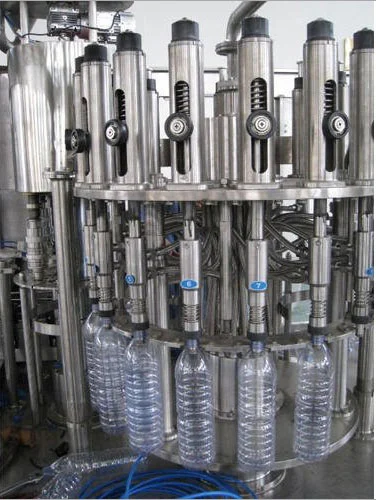
An automatic water filling machine is an advanced, integrated packaging unit engineered to automatically wash empty PET bottles, fill them precisely with purified water, and seal them with airtight caps without requiring manual operator intervention during the core process.
Typically built as a 3-in-1 Monoblock system, it combines bottle rinsing, filling, and capping into a single, compact, high-efficiency assembly line.
2. Core Working Stages of a 3-in-1 Monoblock Filling System
Modern automatic water filling machinery executes three seamless mechanical phases within a sterile, enclosed chamber:
A. Automatic Bottle Rinsing Station
- Mechanism: Empty PET bottles are fed into the machine starwheels, where high-pressure water or sanitized air jets thoroughly wash the interior and exterior walls.
- Benefit: Ensures all manufacturing dust or residues are completely eliminated before the water enters.
B. Precision Volumetric Filling Station
- Mechanism: Utilizing gravity or counter-pressure micro-valves, purified water from your Commercial RO Plant is dispensed smoothly into the bottles.
- Benefit: Features zero-dripping nozzles and precise liquid level control, preventing overflow and eliminating raw material waste.
C. Automatic Screw Capping Station
- Mechanism: Magnetic torque-controlled capping heads pick up screw caps from a vibrating feeder bowl and seal them tightly onto the bottle necks.
- Benefit: Delivers uniform torque pressure, guaranteeing a 100% leak-proof seal during transit and storage.
3. Key Technical Specifications & Build Advantages
- Food-Grade Stainless Steel Build: Constructed entirely with high-grade SS 304 or SS 316 to prevent rust, resist corrosive cleaning chemicals, and meet strict food safety regulations.
- Variable BPH (Bottles Per Hour) Capacities: Available in modular output configurations—ranging from compact startup units to high-speed industrial models (20 BPM up to 60 BPM+).
- PLC Touchscreen Control Panel: Centralized automation interface that allows operators to monitor production speed, adjust filling intervals, and track system diagnostics in real time.