High-purity water is the single most vital raw material in the beverage and packaging industry, making up roughly 85% to 90% of your final bottled product. Whether you are operating a packaged drinking water line, a Mineral Water Plant, or a soft drink production unit, installing a heavy-duty commercial RO plant is non-negotiable for safety, taste consistency, and regulatory compliance.
1. What is a Commercial RO Plant?
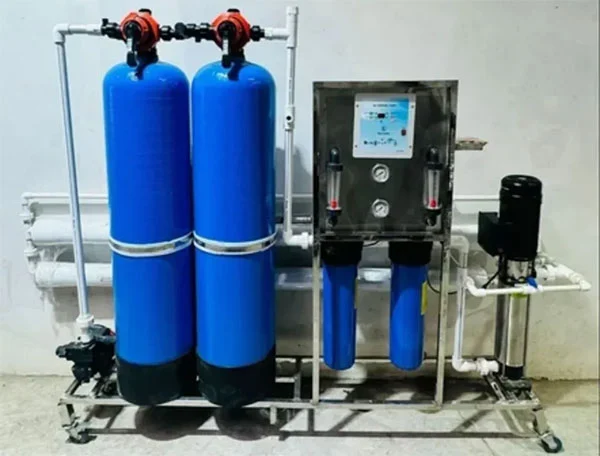
A commercial RO (Reverse Osmosis) plant is an advanced industrial water purification system designed to treat high volumes of raw groundwater, borewell water, or municipal supplies. By utilizing high-pressure pumps and semi-permeable membrane technology, it strips away dissolved impurities, salts, heavy metals, and total dissolved solids (TDS) to deliver crystal-clear, safe water.
2. Key Stages of a Commercial RO Water Purification Process
A professional industrial purification setup runs through a multi-stage filtration sequence to ensure maximum membrane life and water safety:
A. Raw Water Feed & Pre-Filtration
- Pressure Pumps & Sand Filters: Traps suspended solids, dust, turbidity, and large debris from the water source.
- Activated Carbon Filters: Removes chlorine, bad odors, organic compounds, and unwanted chemical tastes.
B. Antiscalant Dosing System
- Injects precise chemicals to prevent calcium and magnesium scaling on the RO membranes, ensuring prolonged operational efficiency.
C. Reverse Osmosis (RO) Membrane Core
- The core filtration phase. High-pressure pumps force water through fine-pored RO membranes, eliminating 95% to 99% of dissolved ionic impurities and heavy minerals.
D. Post-Treatment (UV, Ozone & Mineral Dosing)
- UV Sterilization & Ozone Integration: Destroys remaining microorganisms and bacteria.
- Mineral Doser: Reintroduces essential health-safe trace minerals to balance pH levels and enhance the water’s crisp natural taste before it moves to your Bottle Packaging Solutions.
3. Technical Specifications & Features
- Stainless Steel Frame Build: High-grade SS 304/316 skids that prevent corrosion and maintain strict hygiene under continuous moisture conditions.
- Capacity Flexibility: Available across multiple LPH (Liters Per Hour) ratings—including 250 LPH, 500 LPH, 1000 LPH and higher industrial models customized to your daily factory requirements.
- Automated Control Panels: Integrated liquid-filled gauges, swift controllers, and automatic flush systems for effortless, low-maintenance daily operation.
Conclusion
Investing in a reliable commercial RO plant protects your downstream filling machinery from scaling and ensures your bottled products consistently pass food safety audits. Pairing a robust water treatment line with your overall facility setup is the blueprint for long-term manufacturing success.
 Users Today : 7
 Users This Month : 1336
 Total Users : 1337