
In any large-scale beverage manufacturing, bottled water, or industrial processing facility, water quality dictates product integrity and equipment longevity. Because raw groundwater or municipal supplies carry high levels of Total Dissolved Solids (TDS), hardness, and contaminants, deploying a heavy-duty industrial RO plant is essential for meeting production standards.
Whether you are scaling up your Mineral Water Plant or establishing a commercial-grade processing unit, an efficient Reverse Osmosis system serves as the foundational backbone of your entire manufacturing floor.
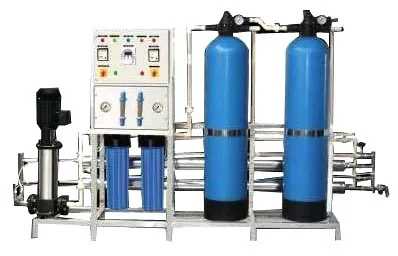
1. What is an Industrial RO Plant?
An industrial RO plant is a high-capacity water purification system designed to treat thousands of liters of raw water per hour (LPH). Utilizing high-pressure booster pumps and advanced semi-permeable spiral-wound membranes, it rejects up to 99% of dissolved salts, heavy metals, chemical pollutants, and biological impurities.
Unlike domestic purifiers, industrial systems are engineered for continuous 24/7 operation, heavy structural durability, and minimal manual intervention.
2. Key Stages of Industrial Water Purification
A professional industrial RO setup processes water through a rigorous multi-stage treatment sequence:
A. Raw Water Pre-Treatment
- Pressure Sand Filters (PSF): Traps suspended particles, sand, silt, and coarse turbidity.
- Activated Carbon Filters (ACF): Adsorbs free chlorine, organic residues, foul odors, and unpleasant tastes that can damage downstream RO membranes.
- Antiscalant Dosing Unit: Automatically injects precise chemical doses to prevent mineral scaling on the membrane surfaces.
B. High-Pressure Reverse Osmosis Core
- Multi-Stage Booster Pumps: Pressurizes the pre-filtered water to force molecules through fine-pored RO membranes.
- Membrane Housings: Separates pure permeate water from concentrated brine reject water, delivering exceptional water purity.
C. Post-Treatment & Sterilization
- UV Sterilization & Ozone Integration: Ensures total microbial destruction.
- Mineral Dosing Systems: Reintroduces essential health-safe minerals to optimize pH balance and taste before the water is transferred to your Automatic Water Filling Machine.
3. Key Technical Advantages
- Robust Stainless Steel Skids: Built with high-grade SS 304 or SS 316 framing and piping to prevent corrosion and withstand harsh industrial environments.
- Flexible LPH Capacities: Available across various scale ratings—ranging from 1,000 LPH to over 10,000 LPH—customized to match your factory’s daily production volume.
- Automated Control Panels: Integrated pressure gauges, flow meters, auto-flushing mechanisms, and digital controllers for effortless oversight.
Conclusion
Investing in a high-performance industrial RO plant safeguards your valuable bottling and packaging machinery from scaling damage while ensuring your final consumer products meet strict safety and quality compliance.
 Users Today : 7
 Users This Month : 1336
 Total Users : 1337