The Indian beverage market is witnessing an unprecedented surge in demand for carbonated soft drinks (CSDs), flavored sodas, and sparkling beverages. For entrepreneurs and established beverage brand owners looking to capture this high-volume market, relying on obsolete or fragmented machinery leads to high operational waste, inconsistent carbonation, and heavy downtime.
Investing in an advanced soda bottling plant for beverages is no longer just about filling liquids into bottles—it is about achieving end-to-end automation, flawless hygiene compliance, energy efficiency, and high Bottles Per Hour (BPH) output.
Whether you are launching a new startup brand or expanding your existing beverage production line, understanding the core processing mechanics, equipment requirements, and plant setup strategies is crucial for maximizing your return on investment (ROI).
1. What Makes an Advanced Soda Bottling Plant Essential?
Traditional or low-grade bottling setups often suffer from major bottlenecks : inconsistent gas volume retention (leading to flat sodas), inaccurate liquid filling levels, and high manual labor dependency.
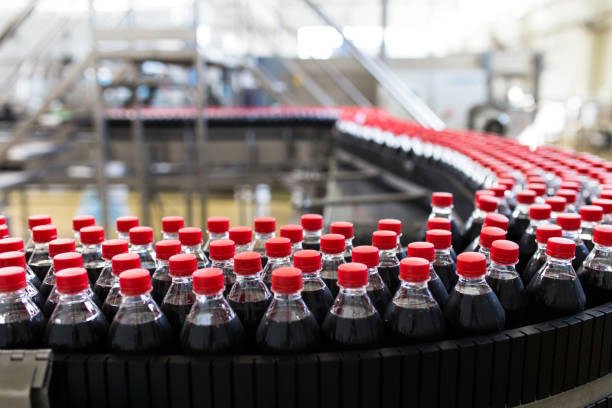
An advanced soda bottling plant for beverages integrates sophisticated engineering to streamline every stage of production:
- Precise Carbonation Control: Ensures accurate mixing of purified water, liquid sugar syrup, and carbon dioxide (CO2) under controlled chilling temperatures to lock in fizz.
- Hygienic Rinsing, Filling & Capping (RFC): Monobloc rotary systems that minimize contamination risks by performing bottle rinsing, volumetric filling, and crown/screw capping in a closed, sterile environment.
- Scalable Output Range: Ranging from compact 12–16 BPM configurations for growing units to heavy-duty 30–40 BPM and 60 BPM fully automatic plants for large-scale distribution.
2. Core Components of a Complete Soda Bottling Line
A standard turnkey carbonated beverage production line comprises several integrated machinery units. Each machine plays a vital role in ensuring that the final bottled product meets commercial shelf-life and quality standards:
A. Water Treatment & RO Plant Integration
High-quality water forms 85% to 90% of any carbonated drink. Before water reaches the carbonation system, it undergoes multi-stage filtration via a commercial RO Plant or Stainless Steel RO Plant to eliminate total dissolved solids (TDS), impurities, and unpleasant odors.
B. Syrup Preparation System (Sugar Dissolving & Cooling)
The taste and consistency of a soft drink depend heavily on the syrup room setup. High-shear mixers, sugar syrup dissolving vessels, and plate heat exchangers ensure that the syrup is precisely blended, pasteurized, and chilled before being fed into the carbonator. Explore our specialized Syrup Process System for precision batching.
C. Automatic Soda Filling & Capping Machine
At the heart of the plant is the filling unit. Utilizing counter-pressure filling technology, these machines equalize the pressure inside the PET or glass bottle with the pressure in the liquid tank, preventing excessive foaming and loss of carbonation during high-speed filling.
D. PET Blow Moulding Machines
To package your beverages economically, manufacturers often integrate an in-house Blow Molding Machine (available in both semi-automatic and fully automatic variants) to produce durable, crystal-clear PET bottles tailored to unique brand designs.
3. Key Operational Advantages for Beverage Entrepreneurs
- Reduced Product Waste: Volumetric filling valves ensure exact liquid drop levels down to the millimeter, eliminating overflow and syrup spillage.
- Lower Labor Costs: Automated conveying, rinsing, and capping systems reduce human touchpoints, lowering workforce requirements while accelerating production speed.
- Energy Efficiency: Modern drives and servo-controlled mechanisms minimize power consumption per batch, directly improving profit margins.
- Flexible Formulation Support: Advanced systems allow quick adjustments when switching between different beverage flavors (e.g., cola, lemon, orange, or club soda) without extensive downtime.
4. Why Opt for Turnkey Project Execution?
Setting up a commercial beverage facility involves complex civil layouts, utility planning (power loads, compressed air, and chillers), pipeline fabrication, and regulatory compliance. Managing each vendor individually often leads to delays and compatibility mismatches.
Choosing a comprehensive Turnkey Project Execution model ensures single-source accountability. From initial factory floor layout planning and machinery manufacturing to Plant Installation & Commissioning and trial runs, expert engineers handle the entire lifecycle. Furthermore, securing a reliable AMC & Maintenance Services contract ensures your plant runs at peak performance year-round without unexpected technical failures.
Conclusion
Entering the competitive beverage market requires infrastructure built for speed, precision, and durability. By installing an advanced soda bottling plant for beverages, you safeguard your production quality, scale output seamlessly, and deliver products that stand out on retail shelves.
 Users Today : 143
 Users This Month : 2034
 Total Users : 2035